
- Written by: Elaah
- 8 de May de 2026
The Invisible Journey: What It Really Means to Be a Cancer Caregiver
When someone is diagnosed with cancer, all eyes turn to the patient. The treatment plans, the doctor visits, the medications — everything revolves around helping them fight. But standing right beside them, often invisible, is someone whose life has also been turned upside down: the caregiver.
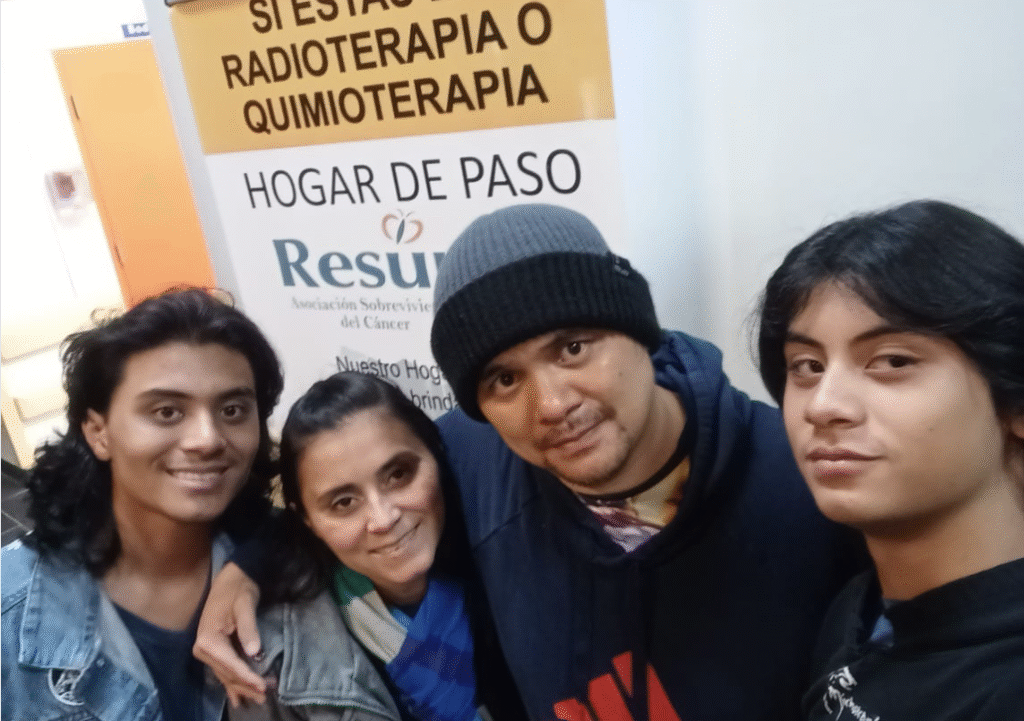
This is the story of one caregiver who opened her heart to share what this journey has really been like.
“I realized my life changed when I received the results of an MRI and it said: tumor.”
That single word. That’s all it takes to split your life into “before” and “after.”
She’s not alone. According to the National Alliance for Caregiving and AARP, an estimated 2.8 million people in the United States alone serve as unpaid caregivers for cancer patients.
What Nobody Warns You About
“Nobody warned me about how to treat a cancer patient, or how it would affect the family, the home, and every aspect of our lives.”
There’s no manual for this. No preparation. One day you’re living your normal life, and the next you’re researching medications, managing appointments, handling emotions — yours and theirs — and trying to hold everything together.
According to the Family Caregiver Alliance, family caregivers spend an average of 33 hours per week providing care.
When Relationships Shift
“The way we see each other has changed so much. In my case, as a couple, it’s not the same. There are moments where you treat them as needed — as someone who needs help, as a child, or as a patient — and then as a partner, in moments where you have to remember that we’re still ‘the same’… even though it doesn’t feel that way.”

Research published in the Journal of Clinical Oncology indicates that up to 40% of spousal caregivers experience significant strain in their relationship during a loved one’s cancer treatment. The roles shift, intimacy changes, and both people are grieving — even while fighting.
The Weight of Guilt
“Many times you can feel guilty. From ‘why didn’t I notice sooner that it could be cancer?’ to feeling physically or mentally exhausted and having less patience. You feel overwhelmed, constantly tired, or bad about yourself, wondering if you’re really giving your best effort.”
The National Cancer Institute reports that 29% of caregivers say their own health has declined because of caregiving. And yet, they keep going — because the alternative isn’t an option.
Finding Strength in the Storm
“I take care of myself by thinking positively about myself and the situation. I turn to my family when I feel overwhelmed, and mainly to God, who has been with me from the beginning and has shown me how much He gets involved to help me.”

Self-care isn’t selfish — it’s survival. Caregivers who prioritize their own well-being, even in small ways, are better equipped to support their loved ones over the long haul.
Whether it’s faith, family, therapy, or simply moments of rest — finding sources of strength is not optional. It’s essential.
A Message to Other Caregivers
“I would tell them not to hold onto fear. At the beginning, that fear is normal, but it has to start fading. Hold tightly to God’s hand and to your loved ones. Don’t forget to think about yourself — it’s not selfish. You’re also going through your own complicated situation.”
“Take a little time for yourself to rest or distract yourself. Always stay positive about the situation, even when you can’t see the light. You always come out ahead.”
“This situation has taught me that everything I had lived through as ‘complications’ in my life served to make me strong — strong enough to handle cancer in a loved one. It catches you off guard and forces you to decide and be strong very quickly. But you can do it. It showed me how I can weather very strong storms, and that God has everything under control.”
Tools for Caregivers: You Deserve Support Too
Ask for help — and accept it. You don’t have to do this alone.
Prioritize rest. Even 15 minutes of quiet time can help you recharge.
Seek professional support. Therapy isn’t just for patients. Caregivers benefit enormously from having a safe space to process their emotions.
Connect with other caregivers. Support groups — in person or online — remind you that you’re not alone.
Set boundaries without guilt. Saying “I need a break” is not abandonment. It’s preservation.
Don’t forget your own health!
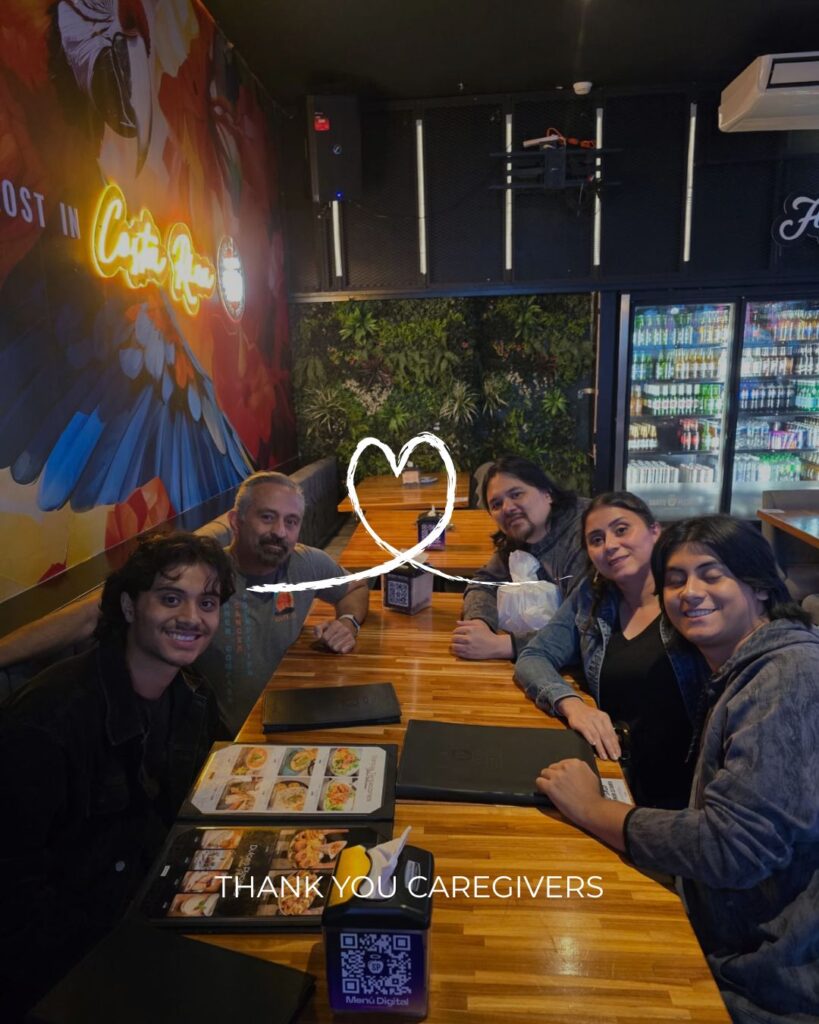
💚 If you’re a caregiver who needs support, reach out to Inner Compass Cancer Foundation.
We’re here for you — because no journey is too tough when the path is shared.
Statistics on caregiver health and well-being are based on research published by the National Cancer Institute (NCI), the American Cancer Society, the Family Caregiver Alliance, the National Alliance for Caregiving, and peer-reviewed studies in the Journal of Clinical Oncology and Psycho-Oncology journals.